









Creating a comfortable and efficient home office is essential for anyone working remotely or managing tasks at home. Striking the right balance between relaxation and productivity helps you stay focused and motivated throughout the day. Here are some practical tips to help you design an environment that supports both your well-being and work goals.
1. Choose the Right Location
Selecting the perfect spot for your home office is the first step towards a productive workspace.
– Quiet and private: Look for a space away from high-traffic areas or noisy appliances to minimise distractions.
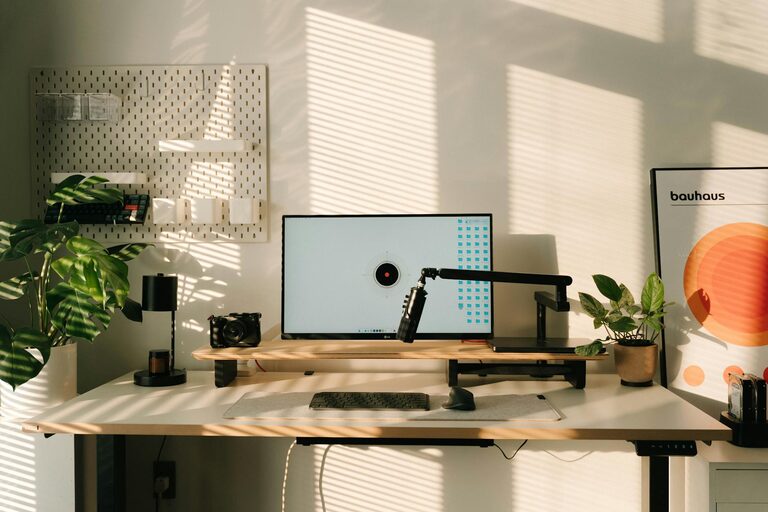
– Natural light: Position your desk near a window if possible. Natural light can improve mood, reduce eye strain, and boost energy.
– Ventilation: Ensure good airflow to keep the room fresh and prevent stuffiness during long working hours.
2. Invest in Ergonomic Furniture
Comfort is key when spending many hours at your desk.
– Ergonomic chair: Choose a chair with adjustable height and lumbar support to maintain good posture.
– Desk height: Your desk should allow your forearms to be roughly parallel to the floor when typing.
– Footrest and accessories: A footrest can improve circulation, and a monitor stand helps position your screen at eye level to reduce neck strain.
3. Keep Your Workspace Organised
Clutter can distract you and increase stress. Creating a tidy environment helps your mind focus.
– Storage solutions: Use shelves, drawers, and filing systems to keep documents and supplies neatly organised.
– Daily tidying: Spend a few minutes at the end of each day clearing your workspace.
– Minimal décor: Choose a clean, simple design with only a few personal items to keep your workspace inviting but distraction-free.
4. Set Up Effective Lighting
Good lighting reduces eye strain and creates a pleasant atmosphere.
– Task lighting: Use adjustable desk lamps alongside natural light to provide focused illumination.
– Warm tones: Opt for bulbs with a warm light colour to create a relaxing mood, especially in the evenings.
– Avoid glare: Position your monitor perpendicular to windows to prevent reflective glare.
5. Incorporate Plants and Personal Touches
Bringing a little nature indoors can have a calming effect.
– Easy-care plants: Succulents, spider plants, or peace lilies improve air quality and add greenery.
– Personal items: Photos, artwork, or inspirational quotes can uplift your spirits but keep these limited to avoid clutter.
6. Minimise Noise and Distractions
A peaceful environment helps you concentrate.
– Noise-cancelling headphones: Useful if you cannot control external noise.
– White noise machines or apps: Can mask background sounds and aid focus.
– Clear boundaries: Inform family members or housemates about your work hours to reduce interruptions.
7. Optimise Technology and Connectivity
Reliable technology smooths your workflow.
– High-speed internet: Essential for video calls, uploads, and online research.
– Cable management: Use clips and ties to keep wires neat and out of the way.
– Backup power: Consider a surge protector to safeguard your devices and prevent data loss.
8. Build a Routine and Break Area
Your workspace shouldn’t feel like a prison.
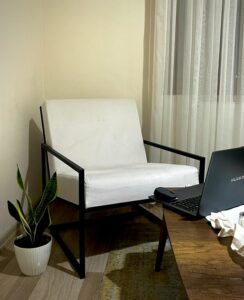
– Dedicated break space: If possible, have a separate area for short rests, such as a comfy chair or a spot near a window.
– Scheduled breaks: Step away from your desk regularly to stretch, hydrate, and refresh your mind.
– Consistent hours: Try to start and finish work at set times to maintain balance and avoid burnout.
9. Use Colours Wisely
The colours around you can affect mood and productivity.
– Calming shades: Soft blues, greens, and neutrals promote relaxation.
– Energising accents: A pop of colour like yellow or orange can encourage creativity.
– Avoid overly bright or harsh colours: They may cause fatigue or stress over time.
10. Pay Attention to Air Quality and Temperature
A comfortable environment supports focus.
– Temperature control: Keep the room at a comfortable temperature, usually between 20-22°C.
– Humidity: Use a humidifier or open windows to maintain pleasant moisture levels.
– Fresh air: Regularly ventilate your workspace to keep oxygen levels high.
—
Creating a home office that feels both relaxing and productive is a rewarding project. It helps you approach your work with a clear mind and improves your overall wellbeing. Personalise your space gradually, and remember that flexibility and comfort go hand in hand for a successful working environment at home.