








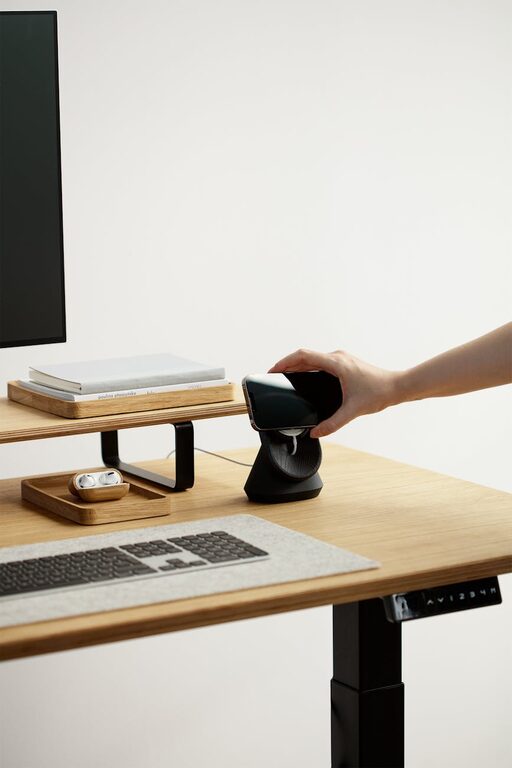
Creating a home office that is both relaxing and productive can make a significant difference in how you manage your workday. Whether you are new to working from home or looking to improve your current space, a well-designed home office can help you stay focused, reduce stress, and enhance your overall work experience. In this article, we’ll explore practical tips to help you create an environment that promotes both calmness and efficiency.
Choose the Right Location
Find a Quiet Spot
Select a part of your home that is away from high traffic areas and noisy distractions. A quiet nook or spare room can work well. If you don’t have a dedicated room, try to carve out space in a less busy corner of the house.
Consider Natural Light
Natural light helps reduce eye strain and promotes a positive mood. Try to set your desk near a window, but avoid glare on your screen by positioning the monitor at right angles to the window if possible.
Invest in Comfortable and Functional Furniture
Ergonomic Chair and Desk
Comfort is key when spending long hours at your desk. Choose an ergonomic chair that supports your back and encourages good posture. A desk at the right height should allow your arms to rest comfortably with your elbows at a 90-degree angle.
Organise Desk Space
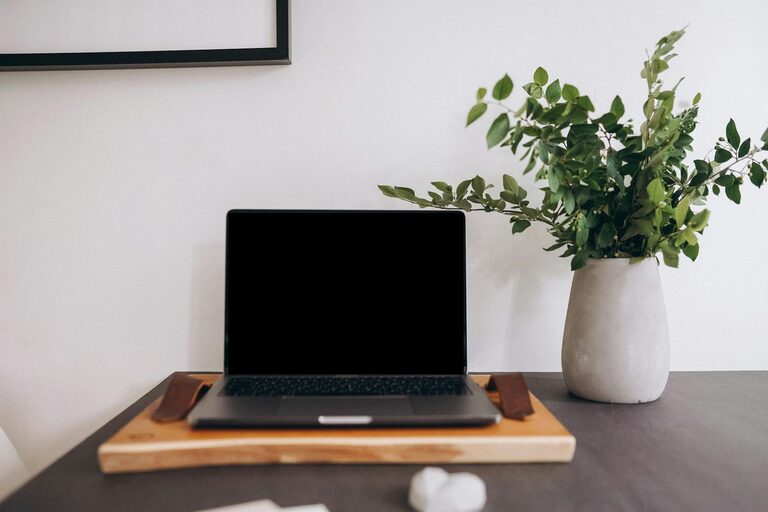
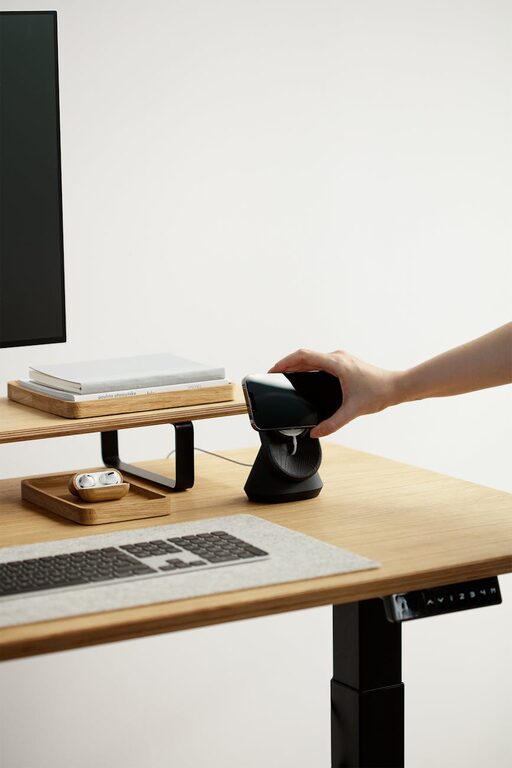
Keep your desk clutter-free by only having essential items within reach. Use organisers, trays, or drawers to store stationery and documents neatly.
Optimise Lighting
Use a Combination of Light Sources
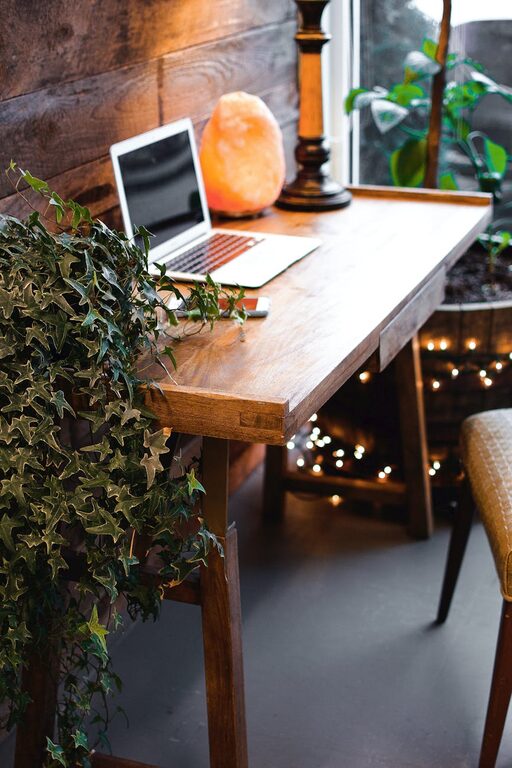
In addition to natural light, ensure you have adequate artificial lighting. A combination of overhead lights and a desk lamp lets you adjust the brightness based on the time of day or weather.
Choose Warm Lighting
Warm, soft lighting helps create a relaxing atmosphere. Avoid harsh fluorescent lights that can cause fatigue or headaches.
Personalise Your Workspace
Add Plants
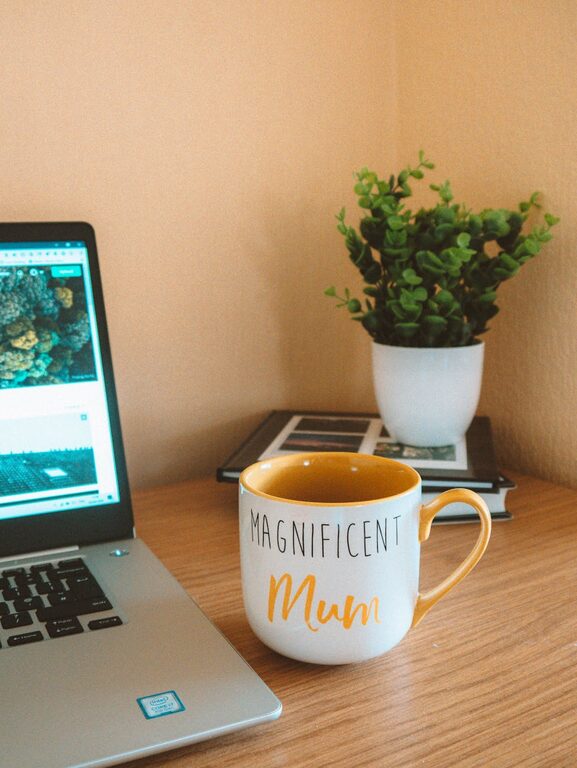
Indoor plants are great for improving air quality and adding a touch of nature to your office. Choose low-maintenance plants like snake plants or succulents if you’re not confident in your gardening skills.
Incorporate Calming Colours
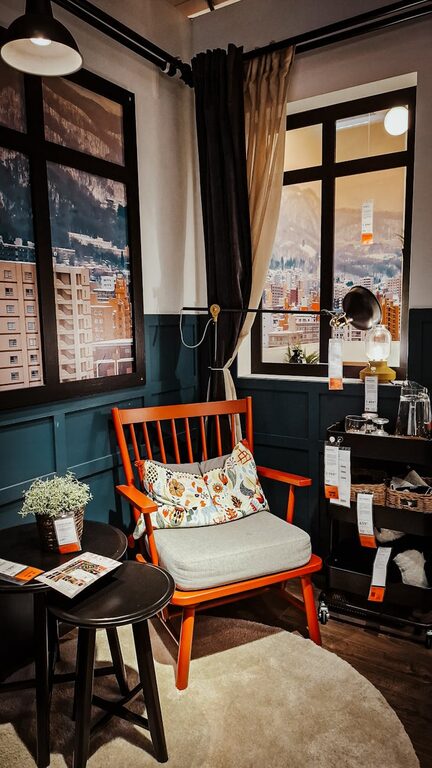
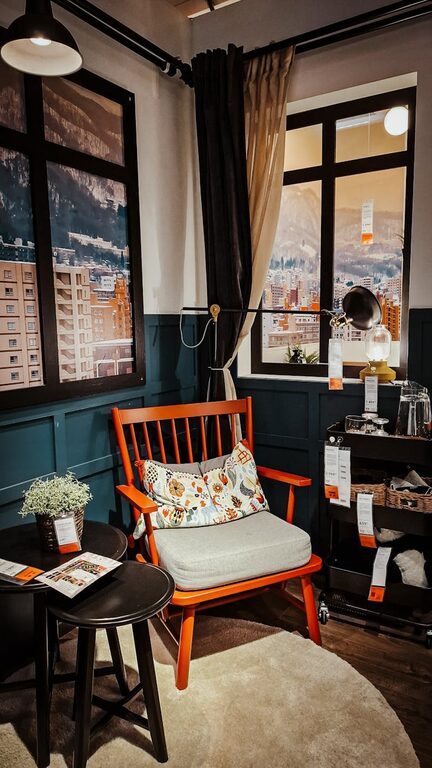
Opt for colour schemes that promote relaxation and focus. Soft blues, greens, and neutrals work well. If you prefer brighter colours, consider using them as accents rather than on all walls.
Minimise Distractions
Set Boundaries
If you share your space with family or housemates, set clear rules about when you shouldn’t be disturbed. Use a sign or closed door to signal you’re working.
Use Noise-Cancelling Headphones
Background noise can disrupt concentration. Noise-cancelling headphones or calming background music can help you maintain focus.
Maintain Good Air Quality
Ventilate Regularly
Fresh air keeps you alert and reduces the feeling of stuffiness. Open windows where possible, or use an air purifier if ventilation is limited.
Keep the Space Clean
Regular cleaning helps reduce dust and allergens. A tidy environment also has a positive effect on your mindset.
Manage Technology and Cables
Declutter Wires
Use cable organisers or clips to keep cords tidy and out of the way. This helps maintain a clean look and prevents tripping hazards.
Use Efficient Technology Setup
Invest in reliable and fast internet, a good quality monitor, and other tools that help you work efficiently without frustration.
Develop a Routine and Take Breaks
Set Work Hours
Having clear working hours helps separate work life from personal time. Stick to your schedule to maintain productivity.
Take Regular Breaks
Step away from your desk periodically to stretch, hydrate, or take a short walk. This helps refresh your mind and avoid burnout.
Incorporate Relaxation Techniques
Use Aromatherapy
Friendly scents like lavender or eucalyptus can create a calming atmosphere. Consider a diffuser or scented candles, ensuring safety precautions are in place.
Practice Mindfulness
Spend a few minutes meditating or doing breathing exercises in your office to reduce stress and improve concentration.
—
Creating a home office that supports both relaxation and productivity is about balancing comfort with function. By choosing the right location, investing in good furniture, organising your space, and incorporating personal touches, you can design an office that makes working from home a more enjoyable and efficient experience. Remember, your workspace should work for you—so feel free to experiment and adjust until it feels just right.