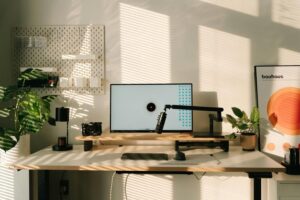










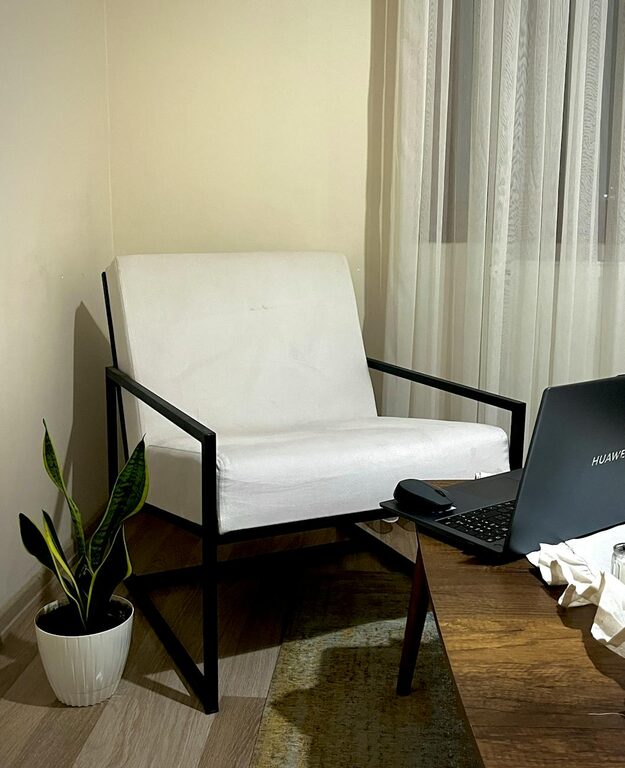
Creating a relaxing home workspace is essential to maintaining focus and motivation, especially when working remotely or spending significant time at home. A well-designed environment not only boosts productivity but also helps reduce stress and improves overall comfort.
In this post, we’ll explore practical tips to help you set up a home workspace that promotes relaxation and efficiency.
Choose the Right Location
Selecting the ideal spot for your workspace is the first step. Look for a quiet corner or room with minimal distractions. If possible, find a space with natural light, as daylight boosts mood and reduces eye strain.
Tips for choosing a location:
– Avoid high-traffic areas prone to noise.
– Choose a space with a door to separate work and home life.
– Consider proximity to power outlets and internet access.
Invest in Comfortable Furniture
Comfort is key in a relaxing workspace. Ergonomic furniture supports your posture and reduces physical strain during long hours of work.
Essentials to consider:
– Chair: Opt for an adjustable chair with lumbar support.
– Desk: Choose a desk with ample surface area to keep essentials organized.
– Footrest: A footrest can help maintain a comfortable seating posture.
Organise Your Workspace for Clarity
Clutter can negatively impact focus, so keeping your workspace tidy is vital.
Organising ideas:
– Use desk organisers or trays for stationery and small items.
– Employ cable management solutions to avoid tangled cords.
– Limit personal items to one or two meaningful things for a personal touch without distraction.
Enhance Lighting
Good lighting reduces eye fatigue and creates a pleasant work atmosphere.
Lighting tips:
– Maximise natural light by positioning your desk near a window.
– Use a desk lamp with adjustable brightness to avoid harsh shadows.
– Choose daylight or warm white bulbs based on your preference and task requirements.
Add Plants and Personal Touches
Including greenery and personalised elements can enhance calm and creativity.
Suggestions:
– Place easy-to-care-for plants like succulents or spider plants.
– Hang calming artwork or photos that inspire you.
– Use calming colours in decor, such as soft blues or greens.
Control Noise Levels
Minimising noise helps maintain concentration and relaxation.
Noise control strategies:
– Use noise-cancelling headphones if necessary.
– Play soft background music or white noise to mask distractions.
– Consider soundproofing options like rugs, curtains, or door seals.
Incorporate Break-friendly Features
Encouraging regular breaks is important for sustained productivity.
Ideas for breaks:
– Create a small relaxation zone nearby with a comfortable chair or cushions.
– Keep a water bottle and healthy snacks within reach.
– Use reminders or apps to prompt short movement or breathing breaks.
Maintain Good Air Quality and Temperature
A comfortable temperature and fresh air make working more pleasant.
How to improve air quality:
– Open windows for ventilation when possible.
– Add an air purifier or humidifier depending on conditions.
– Set a thermostat to a comfortable temperature, typically around 20-22°C.
Establish a Routine and Boundaries
Creating structure around your work hours reinforces the separation between work and personal life.
Tips for routines and boundaries:
– Set fixed start and finish times.
– Communicate your work plan to family members or housemates.
– Use visual cues like closing the door to signal ‘work time’.
Final Thoughts
A relaxing home workspace is within your reach with thoughtful planning and simple adjustments. Prioritising comfort, organisation, and atmosphere helps you work more efficiently and enjoyably. Experiment with these tips and tailor your environment to what suits your needs best.
Remember, a calm workspace supports both your productivity and well-being – making work something you can look forward to each day.