










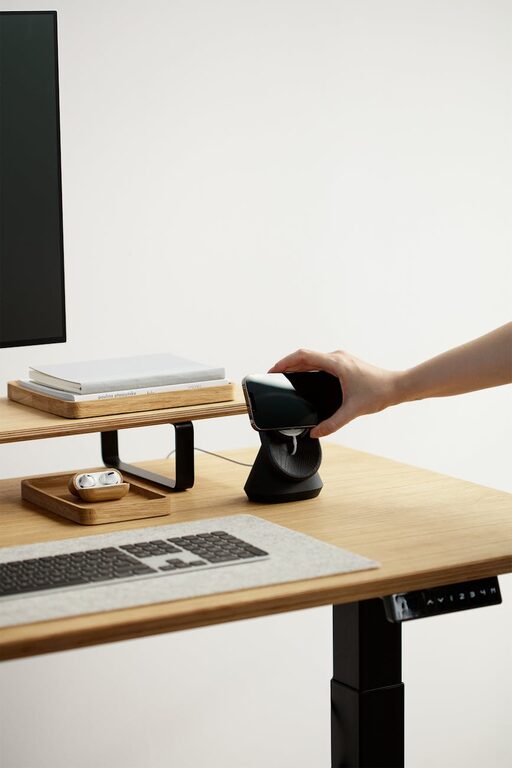
Creating a home office that feels cosy and inviting can make a significant difference to your daily work experience. Whether you’re working remotely, freelancing, or simply need a dedicated space for managing household tasks, a comfortable and well-organised office can help improve focus and reduce stress. In this guide, we’ll explore practical tips to design a home office that combines style, comfort, and functionality.
Why a Cosy Home Office Matters
Spending hours in a dull, cluttered, or uncomfortable space can hamper your motivation and productivity. On the other hand, a space that feels welcoming encourages you to spend time there, helps reduce distractions, and supports better work habits. A cosy home office doesn’t mean sacrificing professionalism; it means creating an environment that nurtures creativity and focus.
—
Step 1: Choose the Right Location
Consider Natural Light
Whenever possible, select a spot with plenty of natural light. Natural light not only energises but also reduces eye strain and improves mood. Position your desk near a window, but beware of glare on screens. If natural light is limited, invest in good quality lighting that mimics daylight.
Minimise Distractions
Choose a quiet corner of your home, away from high-traffic areas or noisy appliances. This helps maintain concentration and separates your work life from personal life more effectively.
—
Step 2: Select Comfortable and Supportive Furniture
Invest in an Ergonomic Chair
Comfort is key, especially if you spend long hours at your desk. An ergonomic chair with adjustable height and lumbar support can prevent back pain and promote good posture.
Choose a Desk That Fits Your Needs
Consider how much space you require for your computer, documents, and accessories. A clean, uncluttered desk helps keep your mind clear. If space is tight, look for desks with built-in storage or wall-mounted folding desks.
—
Step 3: Create a Welcoming Atmosphere with Colours and Textures
Use Calming Colours
Soft, neutral tones such as pale blues, greys, or greens can create a relaxing atmosphere. Meanwhile, warmer shades like soft beige or muted yellows add a cosy feel. Avoid overly bright or harsh colours that might disrupt concentration.
Add Textiles for Comfort
Incorporate soft textiles such as cushions, throws, or a small area rug. These elements add warmth and make the office feel less sterile. Consider materials that are easy to clean and maintain.
—
Step 4: Optimise Organisation and Storage
Keep Your Desk Tidy
A clutter-free desk can help reduce distractions. Use organisers, trays, or baskets to keep stationery and documents in order. Regularly clear items you no longer need.
Utilise Vertical Space
Shelves, wall organisers, or pegboards can maximise storage without taking up floor space. This keeps essentials within reach while maintaining an open feeling.
—
Step 5: Personalise Your Space
Add Plants
Indoor plants can breathe life into your office. They improve air quality and add a soothing touch of nature. Choose low-maintenance varieties such as succulents or spider plants if you don’t have a green thumb.
Display Personal Items
Photos, artwork, or favourite books make the space feel uniquely yours. Just be careful not to overcrowd surfaces, which can reduce the sense of calm.
—
Step 6: Pay Attention to Lighting
Layer Your Lighting
Use a mix of ambient, task, and accent lighting to create a well-lit workspace. A desk lamp with adjustable brightness is particularly useful for focused tasks.
Avoid Glare and Shadows
Position lights carefully so that they don’t cast shadows on your work area or create screen glare, which can cause eye strain.
—
Step 7: Incorporate Technology Thoughtfully
Manage Cables
A tangle of wires can quickly make your office look messy. Use cable organisers or clips to keep cables tidy and out of sight.
Invest in Necessary Accessories
Quality keyboards, mice, and headphones can improve comfort and efficiency. Ensure your technology meets your work requirements without cluttering your desk.
—
Step 8: Create Zones for Different Activities
If your workspace is big enough, separate areas for different tasks can be helpful. For example, a reading nook for reviewing documents or a creative corner for brainstorming. Changing your environment even slightly can refresh your focus.
—
Final Thoughts
Transforming your home office into a cosy and inviting space involves combining functionality with comfort. By paying attention to lighting, furniture, colour, and organisation, you create an environment that not only supports productivity but also makes working from home a more enjoyable experience. Remember, small changes often make the biggest difference — so start with a few tweaks and tailor the space to suit your personal preferences and needs. Happy decorating!