





Creating a productive home office environment is essential for anyone working remotely or running a business from home. With the right setup, you can boost your focus, minimise distractions, and improve your overall work experience. This guide will walk you through practical tips and design ideas to help you craft a workspace that supports your best work.
Choose the Right Location
The first step in creating your home office is selecting the right spot. Ideally, choose a quiet area away from high-traffic parts of your home. This will help reduce noise and interruptions. If space is limited, consider using a corner of a room that can be dedicated to work and free of clutter.
– Avoid working from your bed or sofa, as this can reduce your productivity and blur work-life boundaries.
– If possible, position your desk near a window to benefit from natural light, which can improve mood and focus.
– For shared living spaces, a dedicated room or a partitioned section can help signal ‘work mode’ to others in your household.
Invest in Comfortable and Functional Furniture
Your physical comfort is key to sustained productivity. Invest in ergonomic furniture that supports good posture and reduces strain.
– Choose an adjustable chair with good lumbar support.
– A desk at the right height will prevent shoulder and wrist pain.
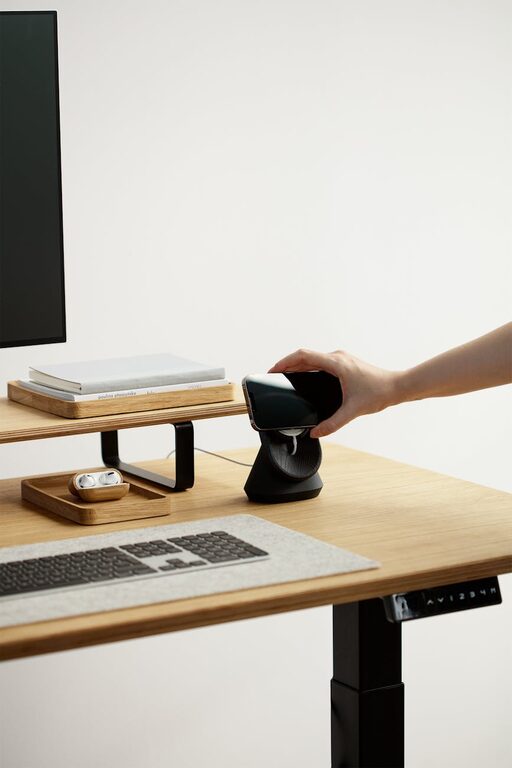
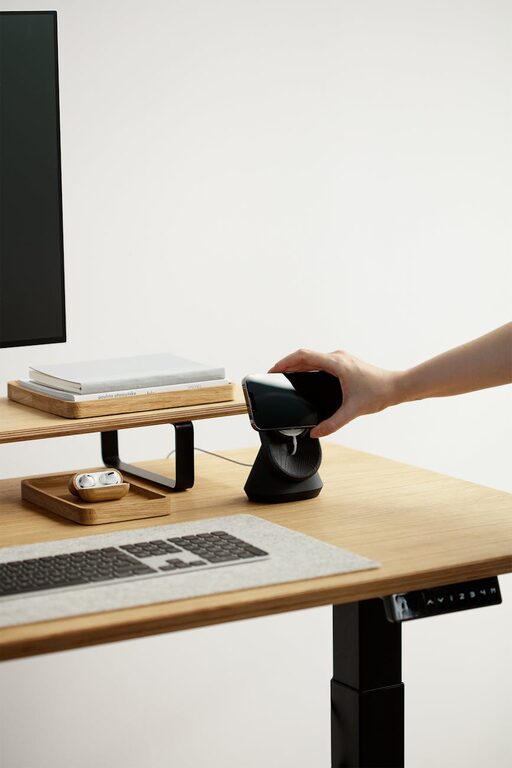
– Consider a sit-stand desk if you want flexibility to alternate between sitting and standing during the day.
– Organise your monitor or laptop screen at eye level to avoid neck discomfort.
Optimise Lighting
Good lighting is crucial for productivity and eye health.
– Use a mix of natural and artificial light.
– Avoid harsh overhead lighting that creates glare on screens.
– Desk lamps with adjustable brightness levels can help reduce eye strain, especially during late hours.
– Position your screen at a right angle to windows to prevent reflections.
Declutter and Organise Your Space
A tidy workspace fosters clear thinking and focus.
– Keep only essential items on your desk.
– Use storage solutions like shelves, trays, and drawers to organise supplies.
– Label boxes or files to quickly find documents.
– Regularly clear out unnecessary papers and items.
Minimise Distractions
Distractions at home can lower productivity. Try these strategies:
– Use noise-cancelling headphones or background music if your environment is noisy.
– Set clear boundaries with family members or housemates about your work hours.
– Turn off non-essential notifications on your phone and computer during focused work periods.
– Use apps or browser extensions that help block distracting websites.
Personalise Your Workspace
Making your home office a pleasant place to be can improve motivation.
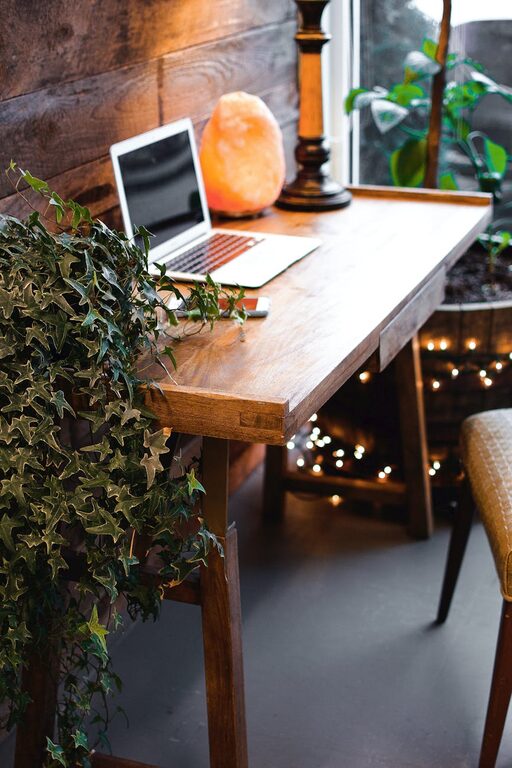
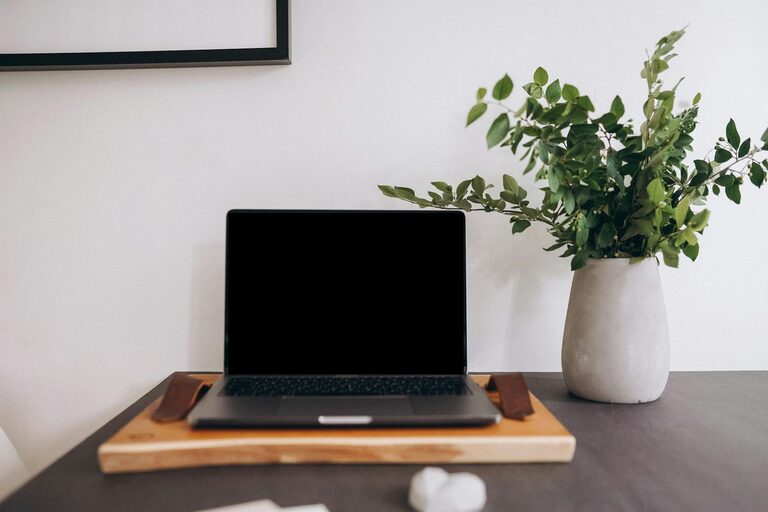
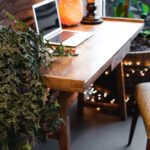
– Add plants to bring in a touch of nature and improve air quality.
– Display a few meaningful photos or artwork.
– Use colours that soothe or energise you, such as soft blues or warm yellows.
– Choose accessories that make your workday enjoyable but do not cause clutter.
Establish a Routine
Productivity is not just about the physical space but also about habits.
– Set regular working hours and stick to them.
– Include breaks to stand, stretch, and refresh your mind.
– Start your day with a tidy desk to create a fresh mindset.
– Plan your tasks ahead to stay organised and focused.
Use Technology Wisely
Technology is essential for remote work; make sure it supports your productivity.
– Invest in a reliable internet connection.
– Use video conferencing tools that are easy to operate.
– Backup your data regularly.
– Consider productivity apps to manage time and tasks efficiently.
Keep Your Workspace Healthy
Promote wellbeing in your home office setup.
– Keep a water bottle nearby to stay hydrated.
– Ensure proper ventilation.
– Take short walks or do light exercises to avoid stiffness.
– Adjust screen brightness and text size to reduce eye fatigue.
Final Thoughts
Creating a productive home office environment involves a combination of good design, organisation, and daily habits. By choosing the right location, investing in comfortable furniture, managing lighting, and minimising distractions, you can set yourself up for success. Remember that a productive workspace reflects both your professional needs and personal preferences, so tailor it to suit what works best for you. With these tips, working from home can be both comfortable and efficient, helping you achieve your goals day after day.