









Creating a relaxing home workspace is essential for maintaining productivity and well-being, especially when working remotely. A calm, organised environment can help you focus, reduce stress, and improve your overall work experience. Whether you have a dedicated room or just a corner in your living area, these tips will help you design a space that feels both comfortable and inspiring.
Why a Relaxing Workspace Matters
Many people underestimate how much their environment affects their ability to concentrate and feel motivated. When your workspace is cluttered, uncomfortable, or noisy, your mind can become distracted. Conversely, a space that feels calm and organised encourages a positive mindset and often leads to increased efficiency.
Choose the Right Location
Consider Natural Light
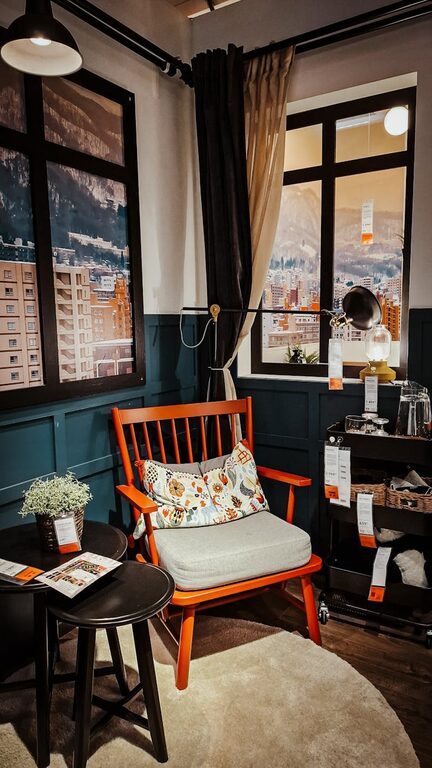
Try to set up your workspace near a window where possible. Natural light helps regulate your body’s rhythm and can improve mood and energy levels. If your area lacks windows, use bright, warm artificial lighting to mimic daylight.
Minimise Noise and Distractions
Select a quiet spot away from high-traffic areas of your home. If this isn’t possible, consider noise-cancelling headphones or a white noise machine to block out distractions. You might also use soft background music, such as instrumental or ambient tunes, to support focus.
Invest in Comfortable Furniture
Your choice of furniture affects how long you can work comfortably.
– Ergonomic Chair: A chair that supports your back and encourages good posture can prevent discomfort and fatigue.
– Desk Height: Your desk should allow your arms to rest comfortably with elbows at about 90 degrees.
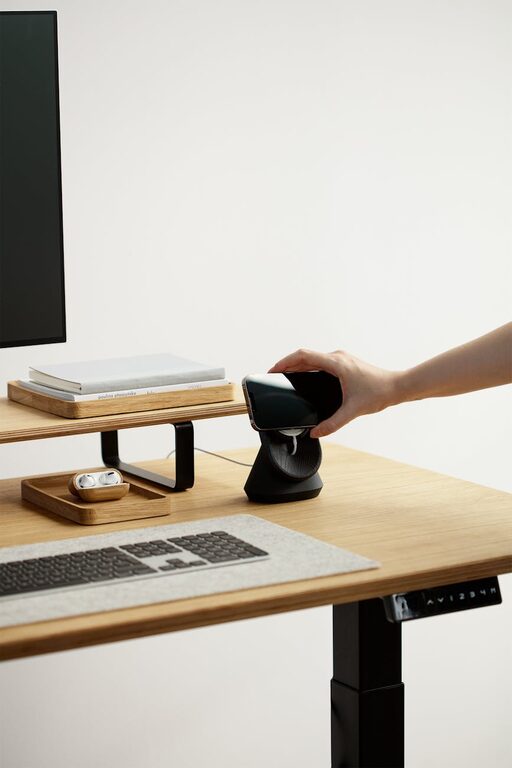
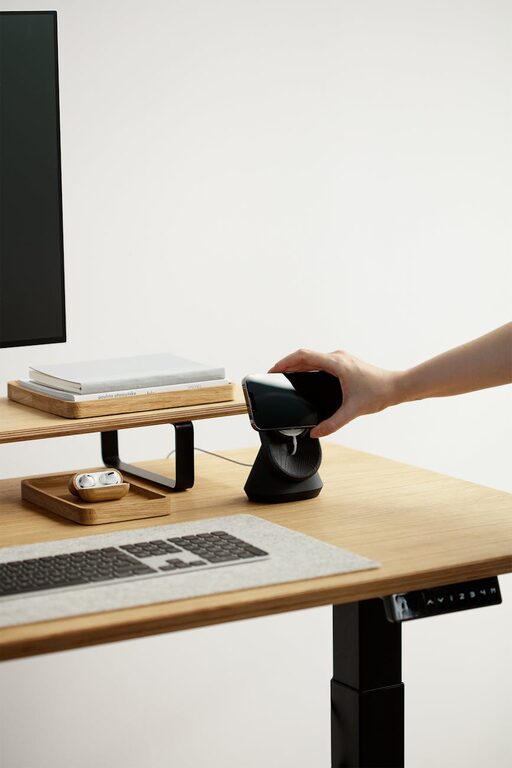
– Adjustable Setups: Consider adjustable desks or monitor stands to avoid strain.
Keep Your Workspace Organised
Declutter Regularly
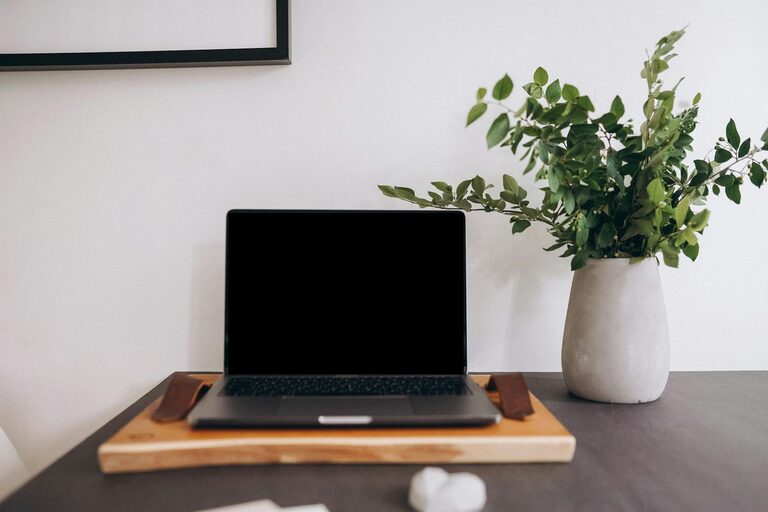
A tidy work area reduces stress and helps maintain focus. Aim to clear your desk surface daily and store items out of sight when not in use.
Use Storage Solutions
Drawers, shelves, and organisers keep papers and tools in order. Label containers to easily find what you need.
Digital Organisation
Keep digital files and emails organised, which reduces mental clutter and saves time.
Personalise for Comfort and Inspiration
Adding personal touches turns a generic corner into a space you enjoy spending time in.
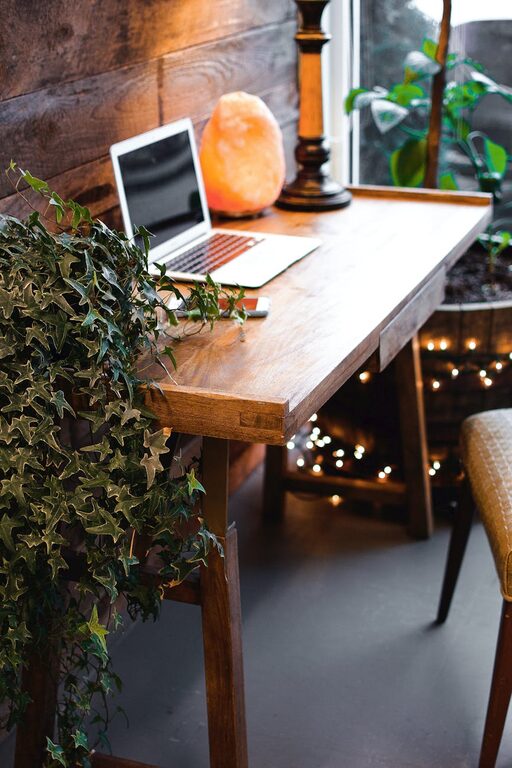
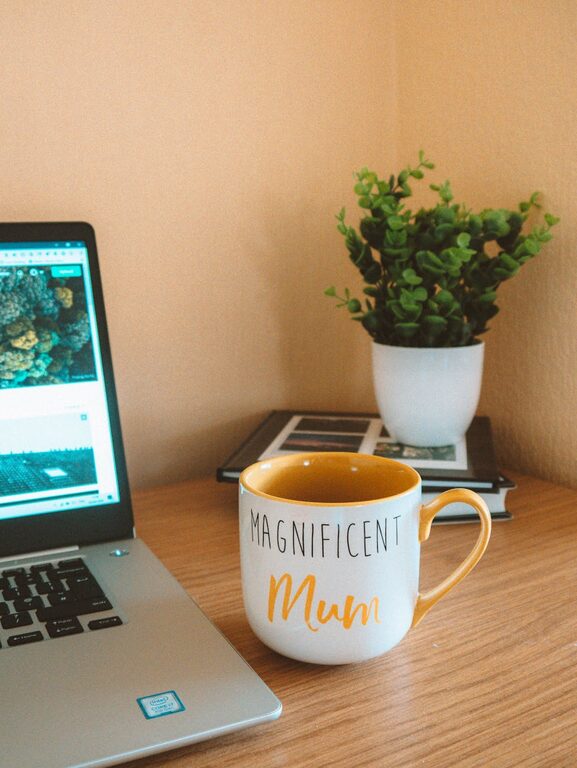
– Plants: Greenery can reduce stress and improve air quality.
– Artwork or Photos: Choose calming images or inspiring quotes.
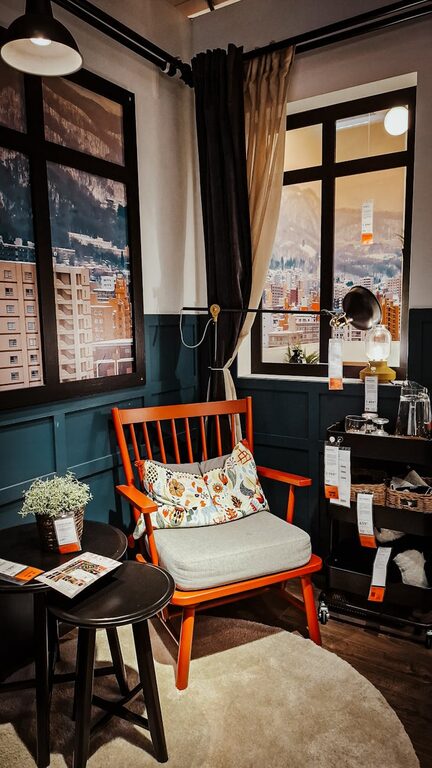
– Comfort Items: A soft throw, cushion, or soothing scents can add comfort.
Be careful not to overcrowd your space with too many items; keep it simple.
Manage Screen Time and Breaks
Use the Right Technology
Ensure your computer screen is at eye level and at a comfortable distance to reduce eye strain.
Take Regular Breaks
Use techniques such as the Pomodoro method — work for 25 minutes, then take a 5-minute break. Stretch, hydrate, and rest your eyes to maintain productivity throughout the day.
Set Clear Boundaries and Routine
Working from home means it can be harder to separate work time from personal time.
– Defined Hours: Set specific working hours and stick to them.
– Signal Your Availability: If living with others, communicate when you’re working.
– End-of-Day Ritual: Clear your desk or close your laptop to mark the end of your workday.
Lighting and Colour Choices
Lighting
Avoid harsh overhead lighting. Position your desk lamp to reduce shadows and glare on your screen.
Colour
Choose calming colours like soft blues, greens, or neutrals for walls and decor. These shades can create a peaceful atmosphere that helps reduce anxiety.
Keep Hydrated and Nourished
Keep a water bottle handy to ensure you stay hydrated. Healthy snacks nearby can prevent energy dips during the day.
—
By following these tips, you can transform your home workspace into a relaxing and productive environment. Small adjustments tailored to your needs will make your workday more pleasant and efficient, helping you maintain a healthy work-life balance.