










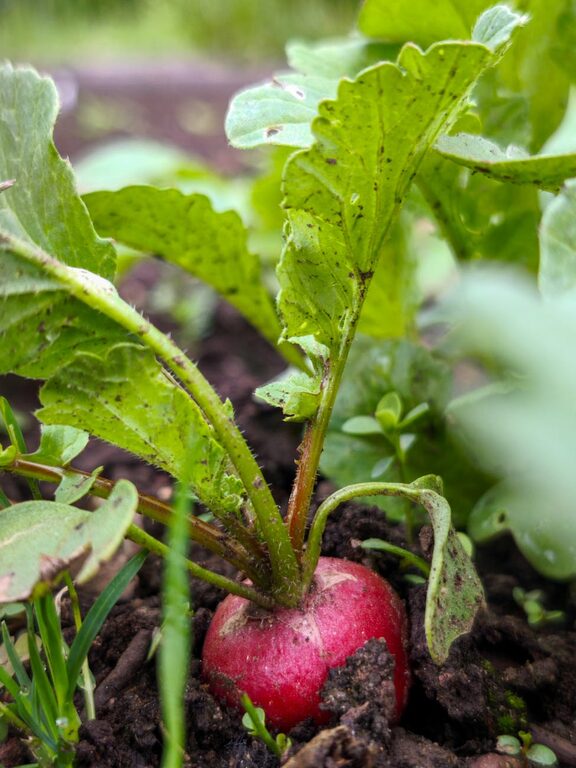
Creating a sustainable and eco-friendly garden at home is a rewarding way to connect with nature while reducing your environmental impact. Whether you have a large backyard or a small balcony, it is possible to cultivate a green space that nourishes local wildlife, conserves resources, and promotes biodiversity. This guide offers practical tips to help you grow a garden that is both beautiful and kind to the Earth.
Plan with Sustainability in Mind
Before you start digging, take some time to plan your garden with sustainability as a core principle.
Choose Native Plants
Native plants are suited to your local climate and soil, meaning they require less water, fertiliser, and care. They also provide habitats and food sources for native insects, birds, and other wildlife.
Consider Plant Diversity
Mixing a variety of plants creates a resilient garden ecosystem. Different plants support a wide range of beneficial insects and help prevent disease spread by reducing monoculture risks.
Use a Raised Bed or Container Garden
If space or soil quality is limited, raised beds or containers can be a great option. Use untreated, sustainable materials like cedar or recycled plastic, and fill containers with organic compost and local soil.
Reduce Water Usage
Water conservation is crucial in eco-friendly gardening.
Collect Rainwater
Set up a rain barrel or water butt to capture rainwater from your roof. This water is free of chemicals and perfect for watering your plants.
Water Wisely
Water early in the morning or late in the evening to reduce evaporation. Use drip irrigation or watering cans instead of sprinklers to target watering precisely at the plant roots.
Mulch Regularly
A layer of mulch—such as straw, wood chips, or leaf litter—helps retain soil moisture, suppress weeds, and adds nutrients back into the soil as it decomposes.
Support Healthy Soil
Healthy soil is the foundation of a thriving sustainable garden.
Compost Kitchen and Garden Waste
Create your own compost bin to recycle vegetable scraps, coffee grounds, and garden clippings. Compost enriches the soil naturally, reducing the need for chemical fertilisers.
Avoid Synthetic Chemicals
Opt for organic fertilisers and natural pest control methods rather than synthetic herbicides or pesticides. Beneficial insects like ladybirds and lacewings can help control pests without harming your garden.
Test Your Soil
Knowing your soil’s pH and nutrient levels helps you amend it appropriately. You can get affordable test kits from garden centres or local horticultural organisations.
Encourage Wildlife
An eco-friendly garden not only grows plants but also supports biodiversity.
Create Habitats
Install bird feeders and birdbaths, leave some areas with long grass or wildflowers, and consider building bee hotels or bug houses. These features attract pollinators and other helpful wildlife.
Avoid Tidy Perfection
Allow some ‘wild’ corners where plants can seed naturally. Dead wood, rocks, and leaf litter provide shelter for insects and small animals.
Opt for Sustainable Garden Practices
Small everyday habits can lead to a greener garden.
Use Recycled Materials
From pots to garden furniture, choose recycled or upcycled materials where possible. This reduces waste and the demand for new resources.
Plant Perennials Over Annuals
Perennial plants return year after year, reducing the need to replant and conserve seeds, water, and soil nutrients.
Minimise Lawn Areas
Lawns often require frequent mowing, watering, and fertilising. Consider reducing lawn size or replacing it with native ground covers, wildflower meadows, or edible plants.
Grow Your Own Food
Gardening sustainably often involves growing some of your own fruit, vegetables, or herbs.
Choose Organic Seeds
Start with seeds that haven’t been treated with chemicals. There are many heirloom and organic seed suppliers to choose from.
Practice Crop Rotation
Changing the location of crops each season reduces soil depletion and pests.
Companion Planting
Some plants, when grown close together, protect each other from pests or improve growth. For example, planting marigolds near tomatoes can deter harmful insects.
Stay Informed and Involved
Sustainable gardening is an ongoing learning process.
Join Local Gardening Groups
Community groups or gardening clubs can offer support, share resources, and organise plant swaps or seed exchanges.
Keep Learning
Books, gardening websites, and workshops can provide helpful tips tailored to your local environment.
Share Your Harvest and Knowledge
Sharing surplus produce or advice fosters community spirit and encourages more people to adopt eco-friendly gardening practices.
—
By embracing these practical, simple strategies, you can create a garden that thrives naturally and contributes positively to the environment. Not only will your green space look stunning, but it will also become a haven for wildlife and a source of satisfaction knowing you’ve made a difference. Happy gardening!